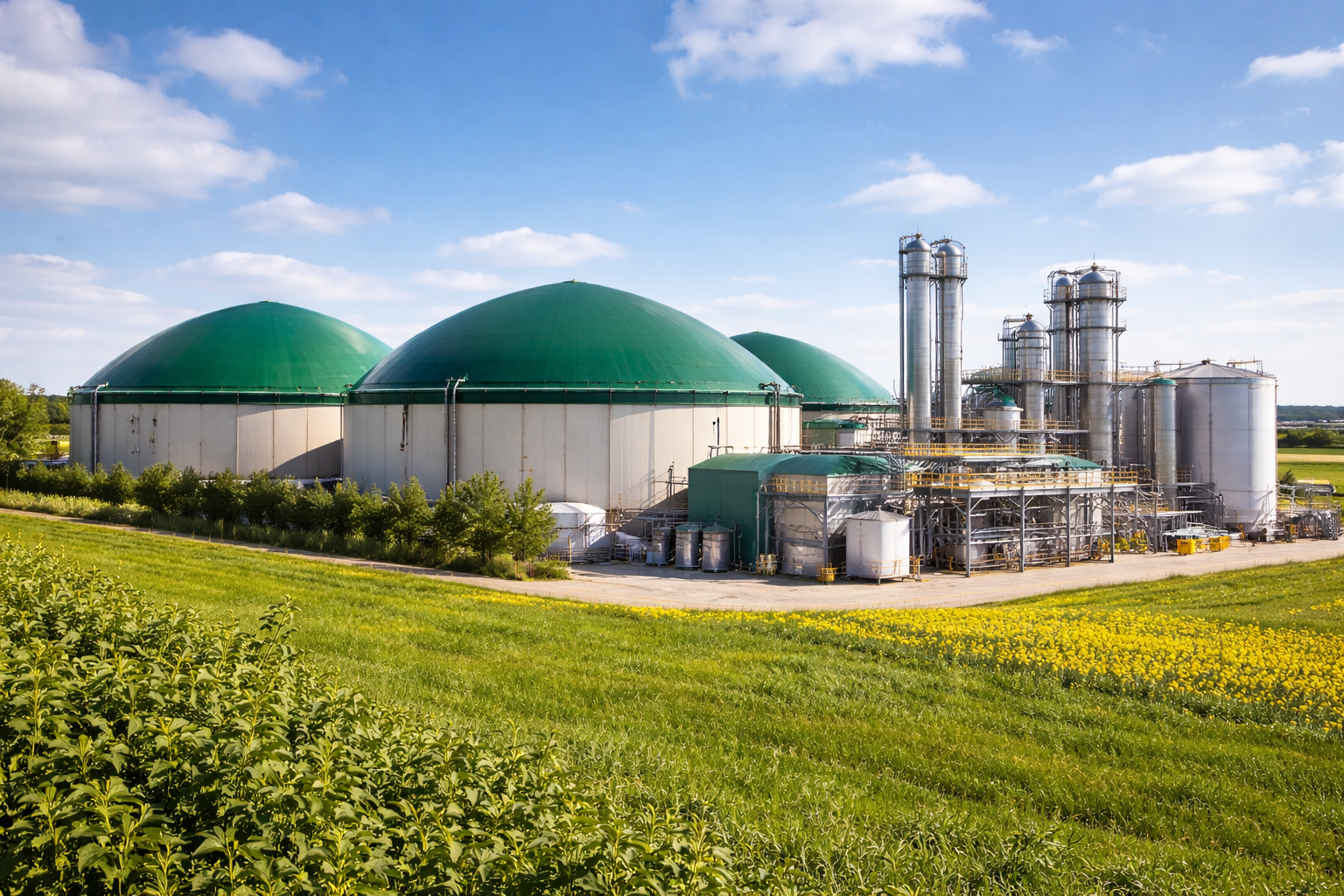
CBG and biodiesel projects
For clean fuel production projects, services usually center around planning clarity, utilities, process-support coordination, implementation structure, commissioning readiness, and the move into stable operations.
Services
Business pages explain what we offer. Services explain how we help deliver it. Once the client chooses the right business line, our service role begins with project structuring, documentation flow, coordination, execution readiness, commissioning support, and practical follow-through.
This page is focused on the work that usually happens after business selection: making the project easier to execute, easier to coordinate, and better prepared for launch across green energy, clean fuel, retail energy, and future mobility infrastructure.
Service Focus
Once a client chooses the business direction, we help turn that interest into a workable project by reviewing site realities, land readiness, utility constraints, and the practical conditions needed before execution begins.
We support document flow, approval preparedness, stakeholder coordination, and the structured follow-up that keeps projects moving instead of getting stuck between departments, vendors, and decision points.
Our service role continues into implementation-stage alignment, site-readiness tracking, execution coordination, commissioning preparation, and post-launch stabilization where needed.
Project Lifecycle
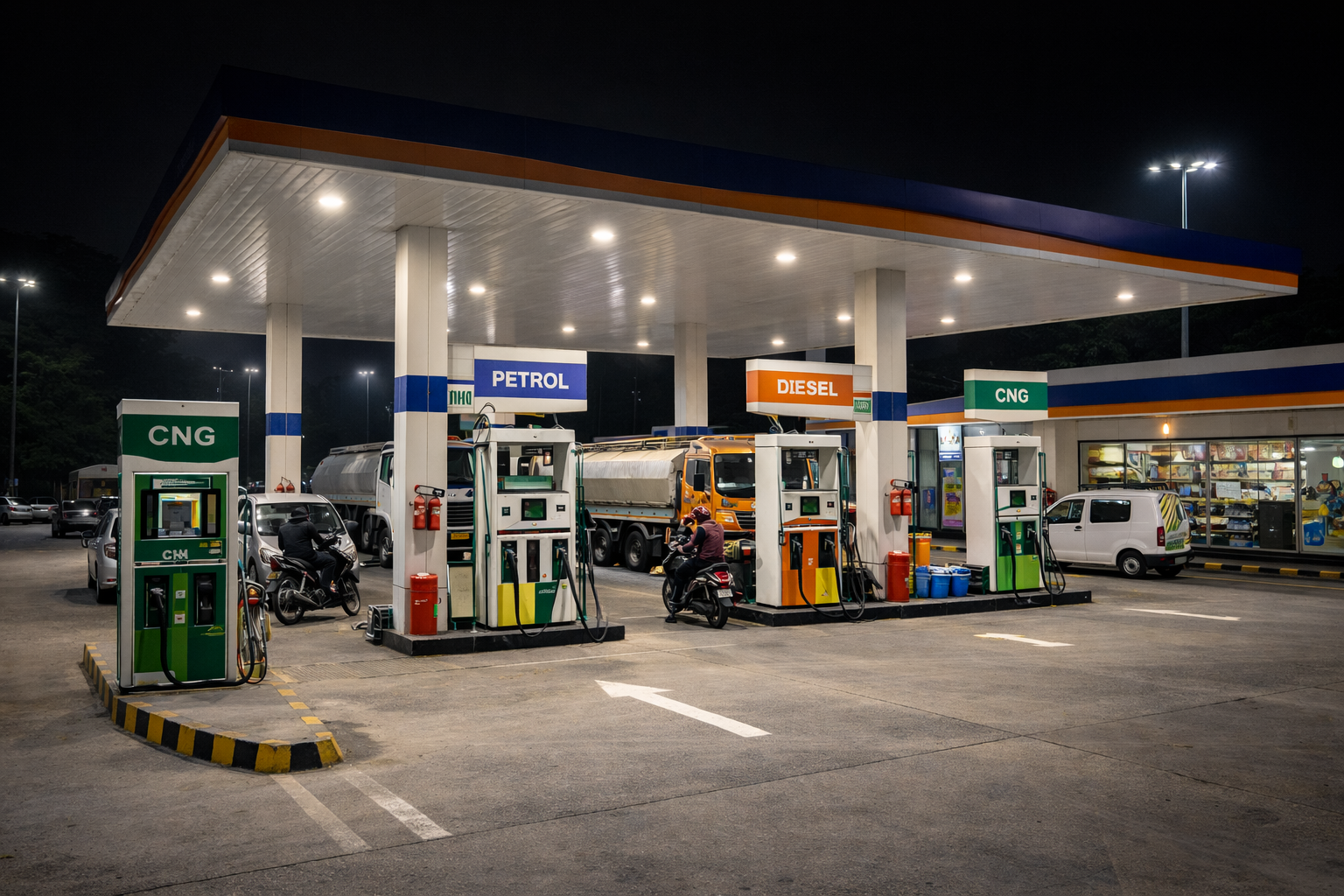
After the client chooses a business line such as CBG, Biodiesel, Fuel Station, or EV Charging, we help define the project basis, site expectations, commercial direction, and execution boundaries.
We assess the conditions that influence implementation quality, including land status, access, utilities, circulation, power readiness, feedstock assumptions, and the broader operating context.
Services at this stage focus on documentation discipline, requirement tracking, submission readiness, and smoother coordination with the external and internal stakeholders involved in the project path.
We help bring structure to the next layer of decisions, from infrastructure planning and utility logic to charger positioning, forecourt movement, plant support systems, and implementation sequencing.
As the project matures, the focus shifts to execution control, trial-run readiness, commissioning planning, documentation closure, training inputs, and a more stable move into operations.
Delivery Areas
Site review, land-readiness understanding, and early feasibility support
Document preparation support and approval-readiness coordination
Layout planning inputs, infrastructure logic, and implementation sequencing
Vendor, team, and stakeholder coordination through the active project phase
Commissioning preparation, handover support, and operational stabilization inputs
A service structure that can work across green fuel, biofuel, retail energy, and EV infrastructure projects
Service Orientation
Many energy projects slow down because responsibility gets fragmented. Our service model helps keep the threads connected across documents, decisions, layouts, vendors, utilities, and execution timing.
Services are shaped around readiness, not just speed. That means paying attention to approvals, paperwork, utilities, access, site dependencies, and the small operational details that affect launch.
The emphasis stays on practical execution. We focus on what helps the project move toward implementation, commissioning, handover, and stable operational conditions after launch.
Applied Across Sectors
For clean fuel production projects, services usually center around planning clarity, utilities, process-support coordination, implementation structure, commissioning readiness, and the move into stable operations.
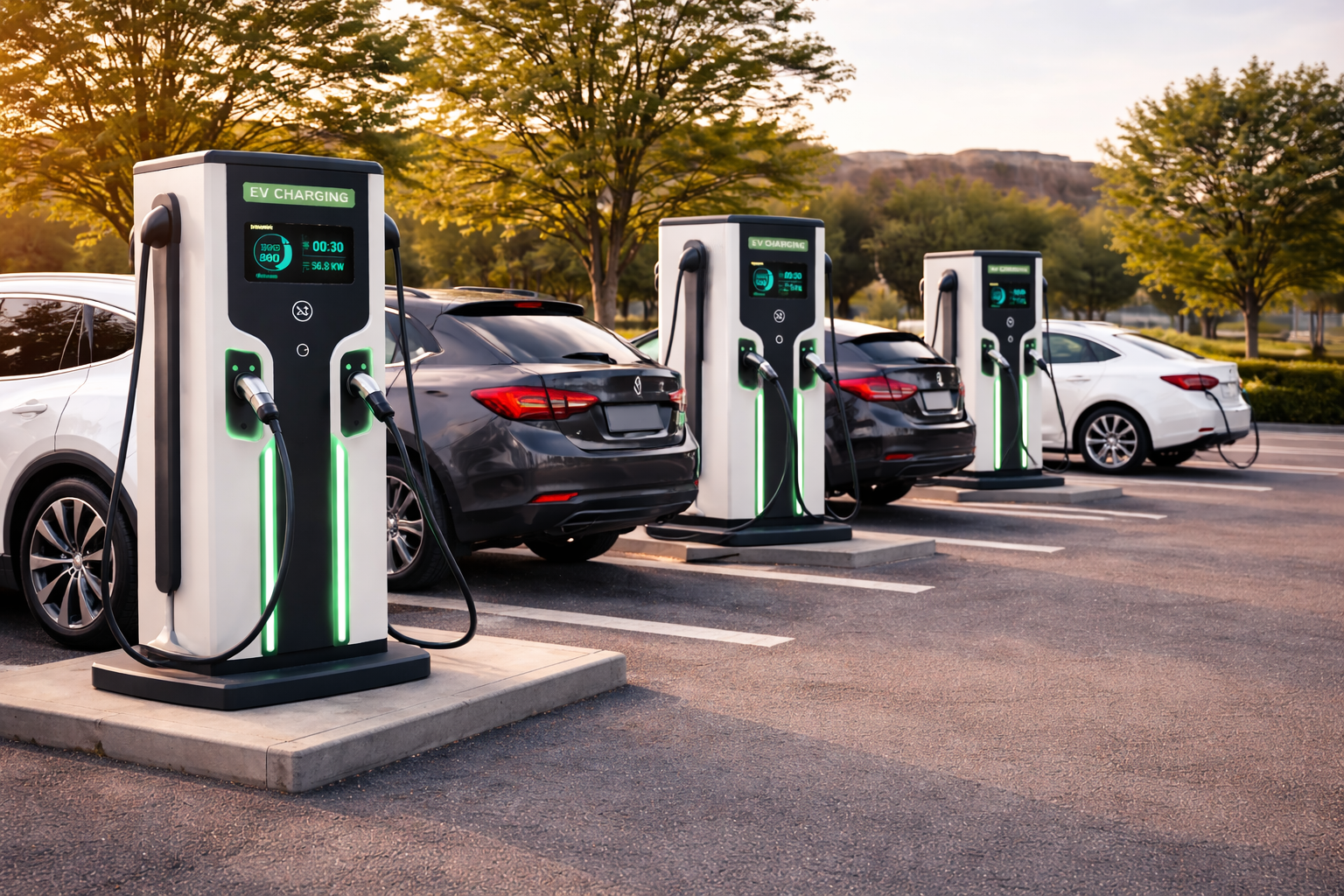
For customer-facing infrastructure, services often involve documentation flow, layout readiness, site coordination, access and circulation planning, utility alignment, installation sequencing, and launch support.
Next Step